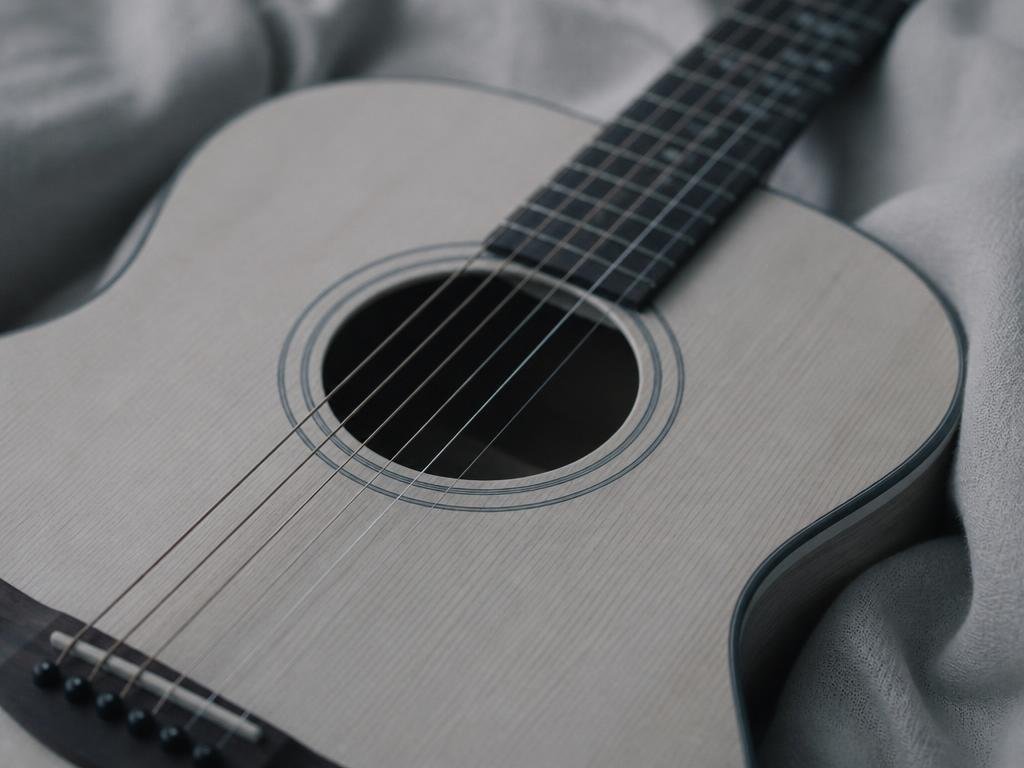
Learn music the way musicians actually learn it, by ear

Strums and Keys Academy teaches guitar, piano and bass to complete beginners through to
early advanced players, online and in person across the UK. You start with sound, not
notation, and you play real songs from the first week.

Three ways to
learn with us

Pick the shape that fits your week and your budget. You can move between them at any time.

01

Join a program

Monthly access to a full instrument program. Four tiers, new material each week,
cancel whenever.

02

Buy a single course

One payment, lifetime access to that course. Best when you want one skill or style,
not the whole path.

03

Book a lesson

One to one or small group, online or in person. Choose your teacher and a time
that suits you.

Instrument programs

Each program runs through the same four tiers, so you always know what comes next.

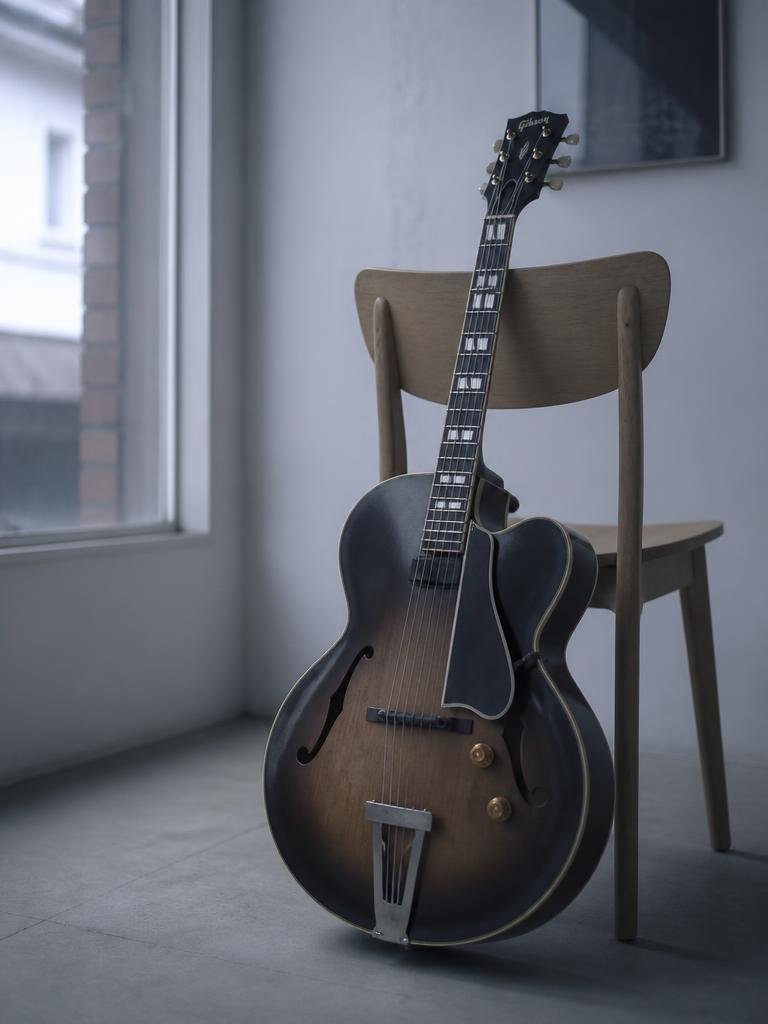
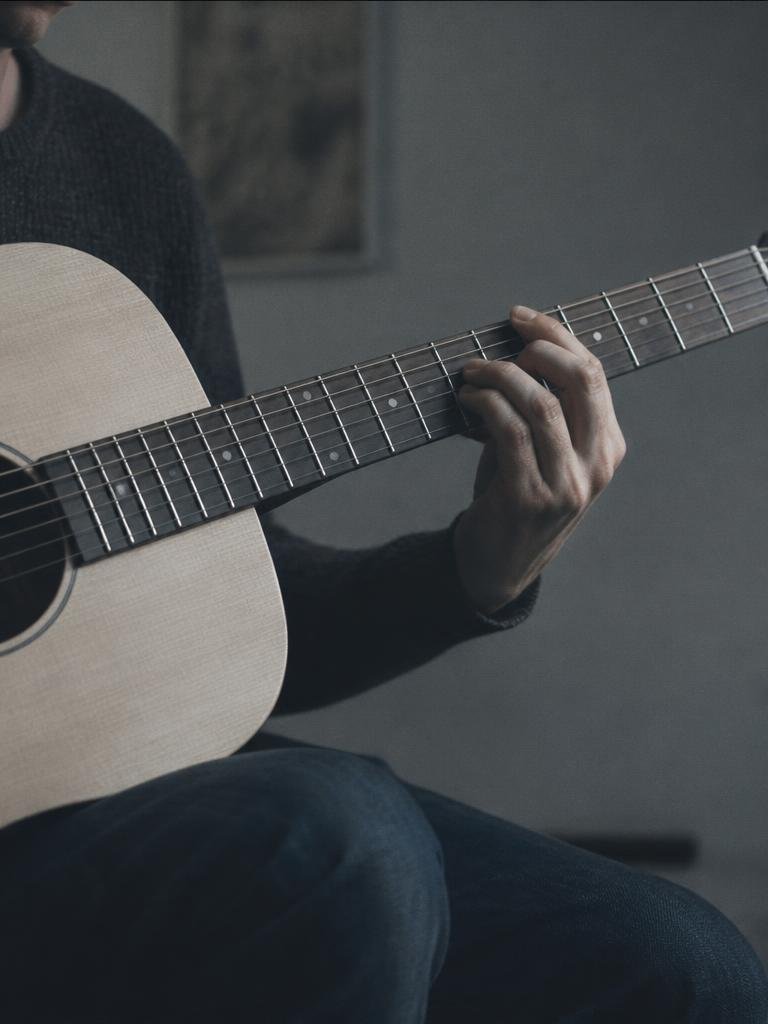
Guitar Program

Beginners 1 is free

Acoustic and electric, chords, rhythm and ear training in the songs you already love.

£50

per month

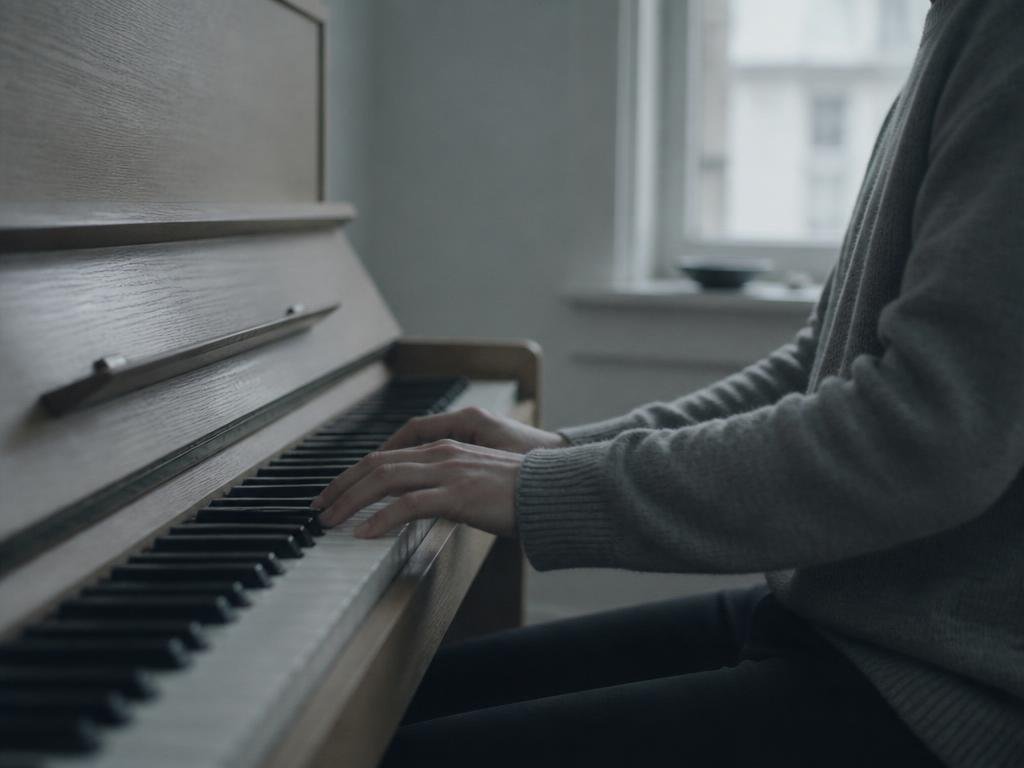
Piano Program


Shapes, voicings and left hand patterns, built for playing without sheet music.

£40

per month

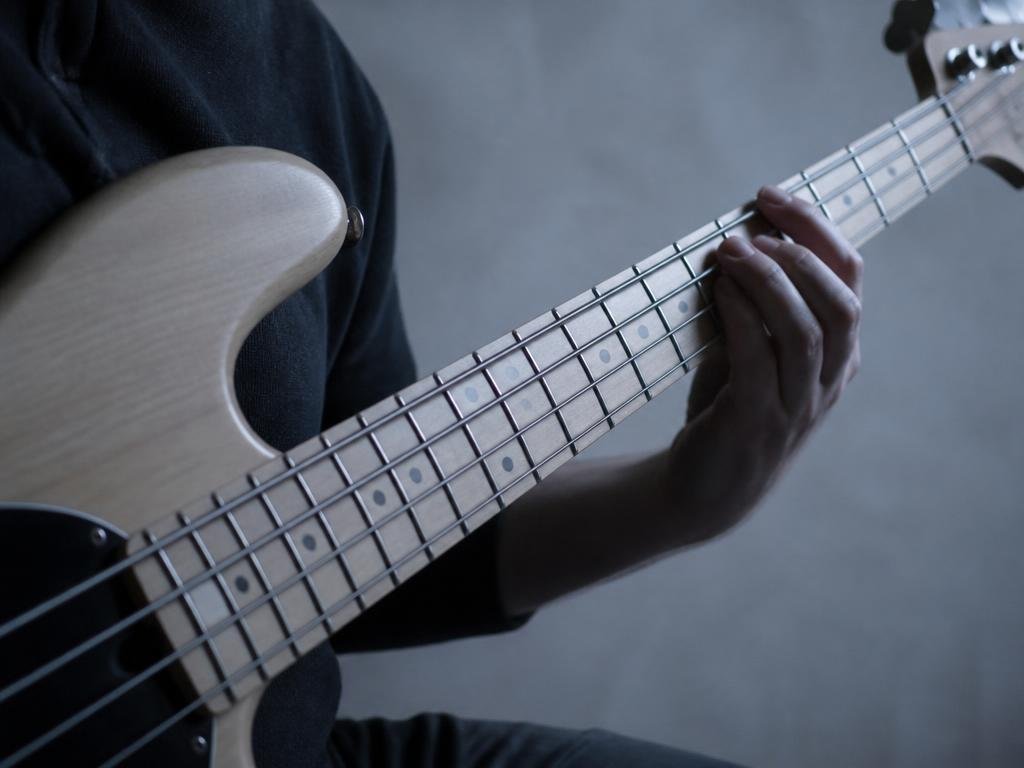
Bass Program


Groove, timing and note choice, so you can lock in with a drummer from week one.

£42

per month, billed annually

Try the first tier for nothing

Guitar Beginners 1 is free and always will be. Work through it, play a few songs, and only pay
when you know the teaching suits you.

Private
coaching

Lessons with a teacher who knows what you are working on. You choose your teacher at booking.

One to one lessons

Thirty minutes of focused attention on your playing, with a plan for the week after. Suitable for children and adults.

In person

£20

per 30 minutes

Online

£18

per 30 minutes

Group sessions

Small groups of three to five players at a similar stage, working on the same songs together. A gentler way in if one to one feels like a lot.

Courses library

Single subjects, bought once and yours to keep. Work at your own pace with lifetime access.

Many adults come to the piano carrying a memory of being told, once, that they were not musical. That assessment was almost always about reading music rather than about music itself, and this tier begins somewhere else entirely.

You learn to sit properly, to find any note without counting up from the bottom, and to shape your hands so they stay relaxed. Then three chords, learned as shapes your hand remembers rather than notes on a page.

By the end of this tier you will play a simple song with both hands doing different things. That usually happens sooner than people expect, and it is the point at which the instrument stops feeling closed.

Free

Must know Bass DiagramRoot notes will carry you a long way, and professional players use them constantly. This tier is about what to add once they are solid.

You learn to walk between two chords so the movement pulls the song forward, and to place fills that lift a section without getting in the way of the singer. We also work on hearing bass lines in recordings and working them out yourself, which is how most players build their vocabulary.

There is a section on playing in a worship set, where songs stretch, repeat and change key with little warning, and holding the bottom end steady matters more than anything clever.

Free

Play through a full worship set using shapes, capo positions and simple substitutions.

£ 89.00

We teach the ear first, and the page later

Most people who give up on an instrument gave up on reading, not on music. So we begin somewhere else. You learn to hear a chord move, find it on your instrument, and keep time while you do it. Notation is a tool we introduce once your hands and ears already agree with each other.

Our teaching grew out of gospel and worship playing, where musicians learn songs in a room together rather than from a score. The same method carries straight into pop, blues and rock, and it is why our students can sit in with other players long before they finish a program.

What students say

“I had tried apps for two years and never
played a full song. Six weeks in I played
through an entire set at church.”

Dami Adeyemi — Guitar

“My teacher never rushed me. We worked on one groove until it felt easy, and then everything after that got quicker.”

Rachel Whitcombe — Bass

“My daughter is nine and looks forward to Thursdays. She works out songs by ear now without asking me for help.”

Peter Nolan — Piano, parent

From the blog

A simple listening routine you can do on the bus, with nothing but a recording and your attention.
Why short frequent practice sticks, and how our students structure a week around real life.
What the first three months actually look like when you learn by ear instead of by reading.
A short answer, and the one thing actually worth spending money on at the beginning.
Chord charts, key changes and following a leader who has just changed their mind mid song.
The problem is almost never the chords themselves. It is what your fingers do in between.

Want to receive push notifications for all major on-site activities?

✕