A small teaching team in the UK, built around one idea: that anyone can learn to play if they
are taught the way musicians actually learn from each other.
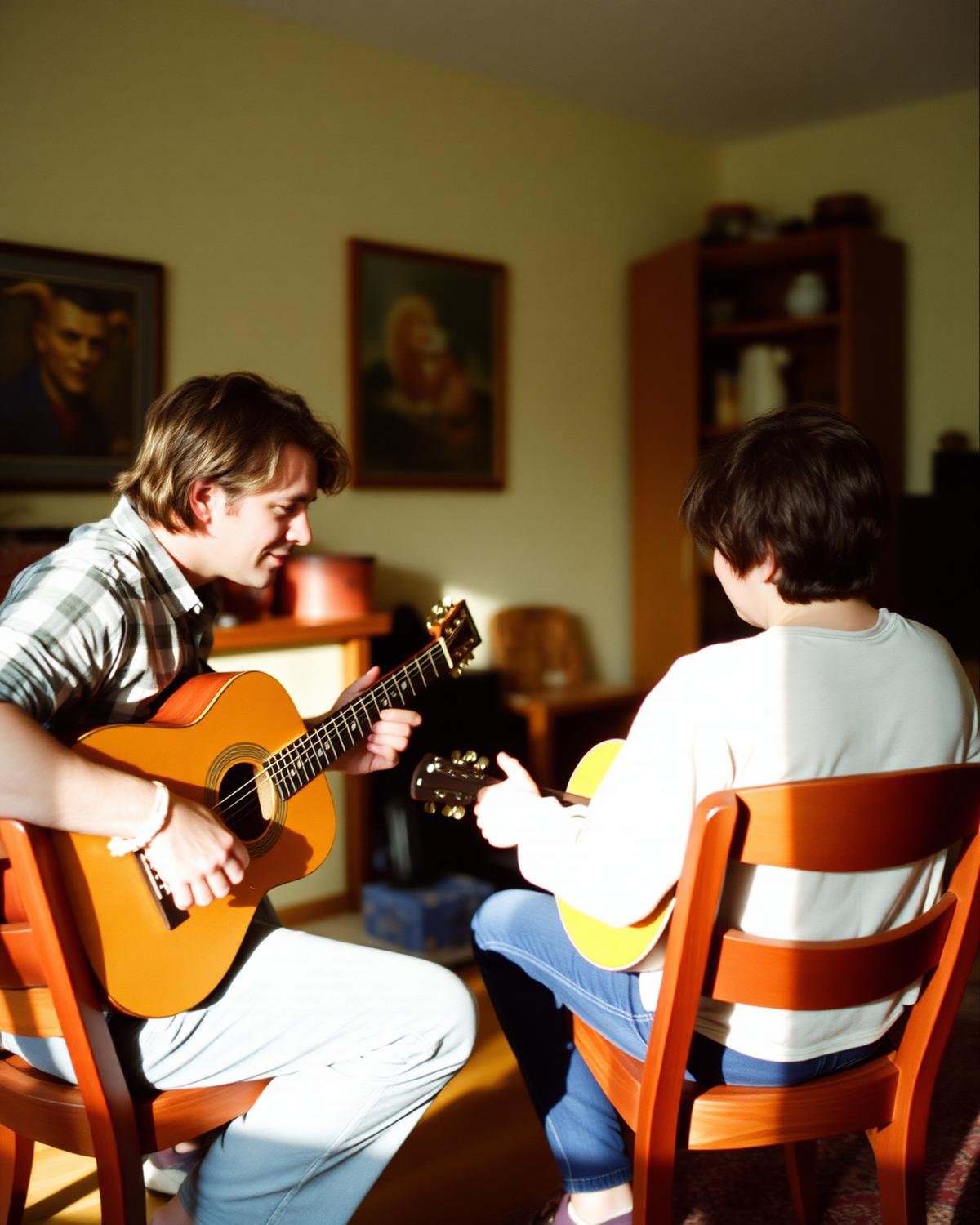
I started teaching in a spare room with two guitars and a kitchen chair. There was no plan for an academy. People kept asking, and I kept saying yes, and after a few years there were more evenings booked than I had evenings.
What kept bothering me was how many of those people had already tried. Nearly everyone who walked in had a story about giving up, and almost none of those stories were about music. They were about notation, about being made to read before they were allowed to play, about being asked to name a note before they had ever enjoyed one.
That is not how anyone I have played with learned. In a room with other musicians you copy, you listen, you get it wrong, and someone shows you again slower. The page comes later, if it comes at all.
So we teach that way here. Ear first, songs from the beginning, and the theory handed over once it explains something you can already do. The academy is just that spare room, with better lighting and a few more teachers.

Four things that shape every lesson, whoever is teaching it.
You learn to hear a chord move and find it yourself. Notation arrives later, once your hands already agree with your ears.
You play music you actually listen to, not exercises written to teach a technique. The technique turns up inside the songs.
One thing worked until it feels easy beats five things half learned. Nothing moves on until your hands are comfortable.
You set the pace and there is no class to catch up with. Missing a week costs you nothing at all.
You choose your teacher when you book, and they all follow the same schedule.
Founder and lead teacher
Guitar, bass
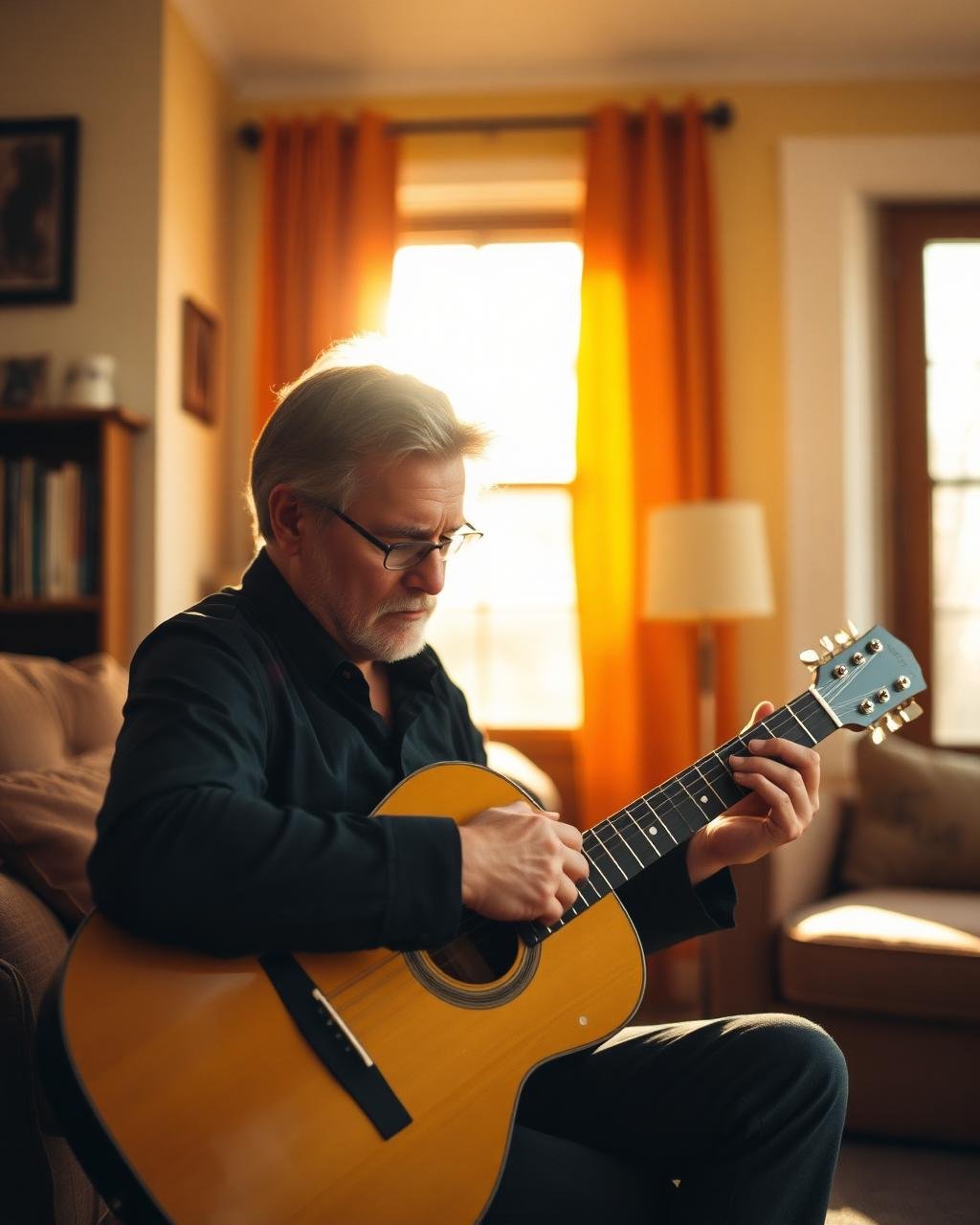
I have been playing guitar since I was eleven and teaching it for twelve years. Most of that playing has been in bands and church halls rather than concert rooms, which is where I learned that the useful skill is listening, not reading.
I studied music for a while, left, and went back to it later on my own terms. I still play bass most weekends, usually badly enough to remember what being a beginner feels like.
In a lesson I am mostly quiet. I would rather you played the thing four times than heard me explain it four times. If something is not working, we slow it down until it is, and then we speed it back up.
Piano, keys
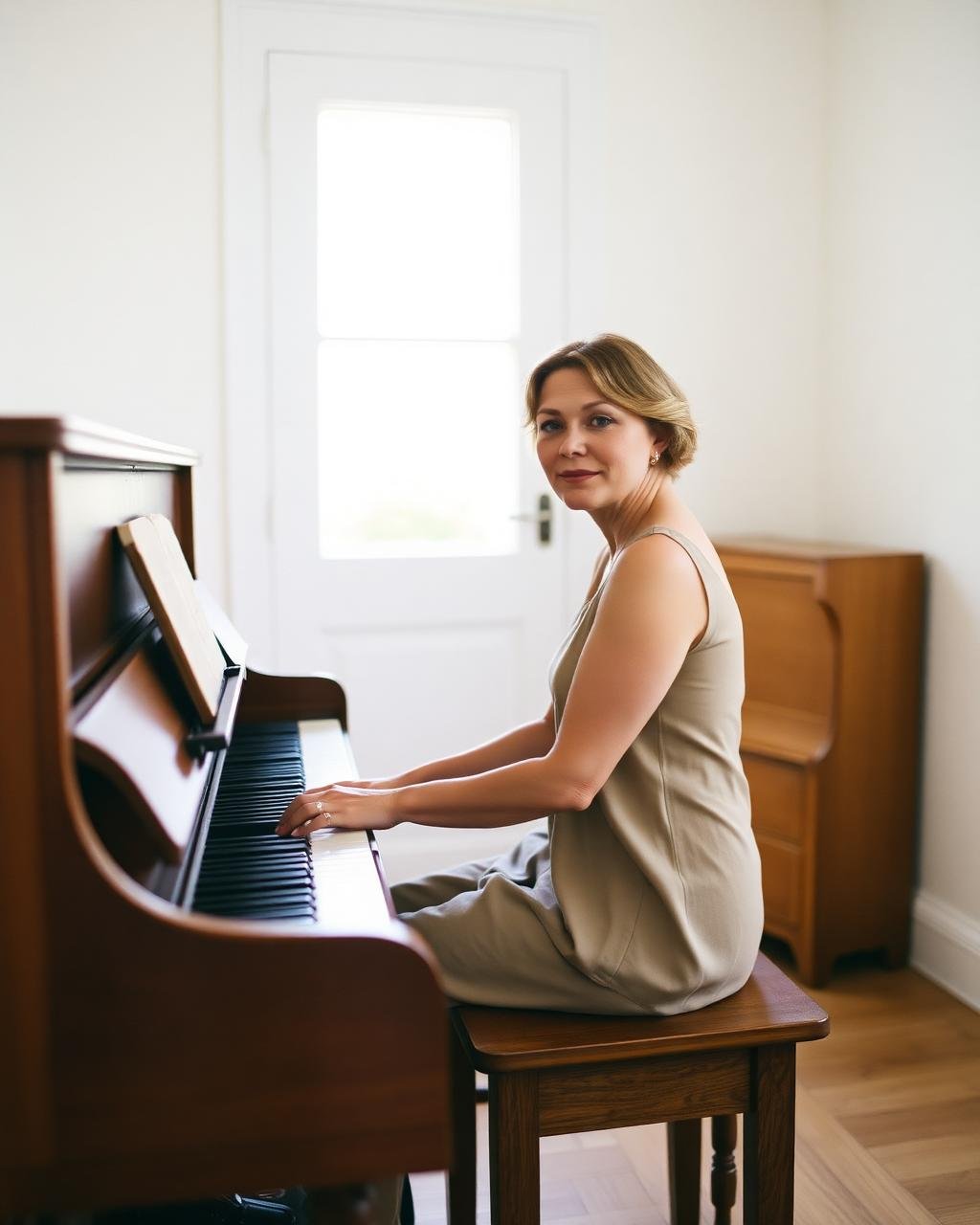
Fifteen years of accompanying singers and choirs, which is the best training there is for playing with other people. Teaches chords and voicings long before scales.
Bass, guitar
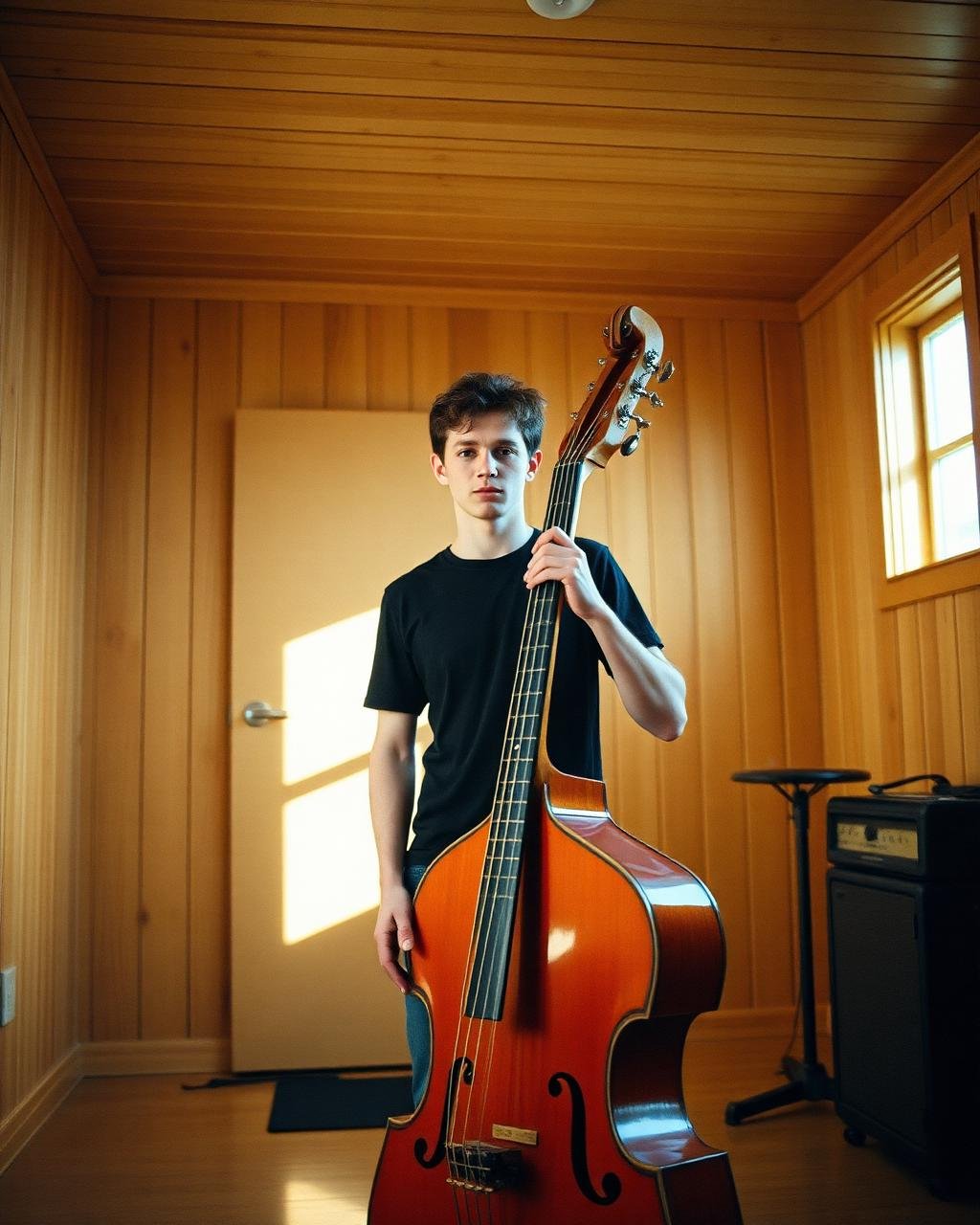
Came to bass from guitar and never went back. Patient with timing, firm about note length, and very good with teenagers who would rather not be told what to do.
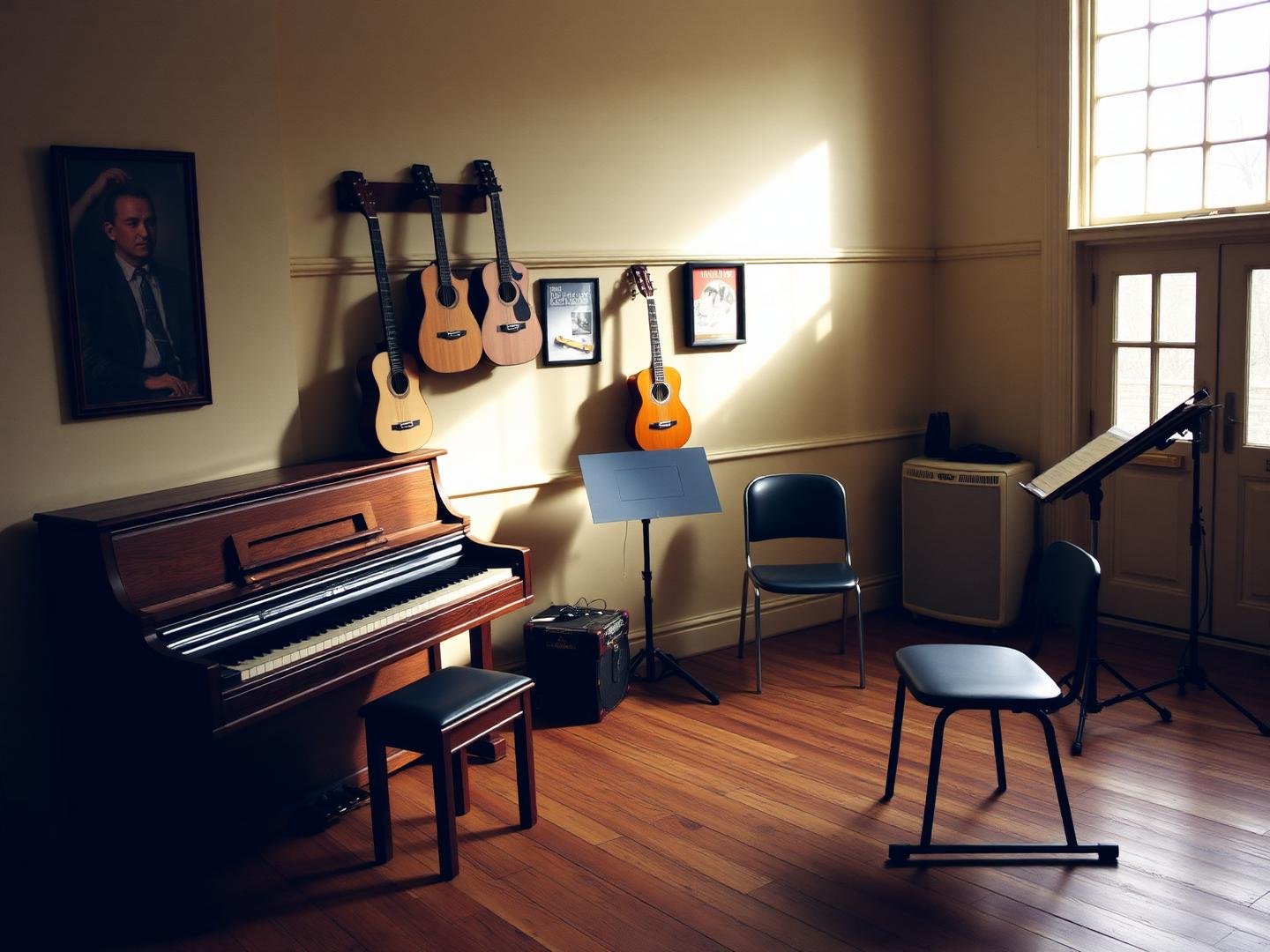
Lessons happen online and in person, and plenty of students mix the two depending on the week. Online lessons run over video, in person lessons run at our teaching room at [Studio Address, Town], where there is parking and a piano that stays in tune.
Students taught
Years teaching
Instruments covered
Lessons delivered
I was told at school that I could not hold a tune. Two years later I play guitar at a family party without thinking about it.
Rachel D. — Guitar
Learning by ear felt strange for about three weeks, and then it felt like the only sensible way to do it.
Anna L. — Piano
The patience is the thing. Nothing moved on until I could actually play it, and that turned out to be much quicker in the end.
Chris B. — Bass
There is no such thing as being unmusical. There are people who were taught badly, people who were taught too fast, and people who were handed a page of notation at seven years old and quietly decided the whole thing was not for them.
Adults who were told as children that they had no talent are especially welcome here. In our experience they tend to work hard, notice more, and get further than they expect, usually within a couple of months of starting.
Book a lesson with the teacher you like the look of, or work through the free tier first and see how the teaching suits you.